Don't miss our holiday offer - up to 50% OFF!

Valentino Grained Purse Valentino Crossbody Bag

How to Care for Valentino Nappa, Suede and Exotic Bags
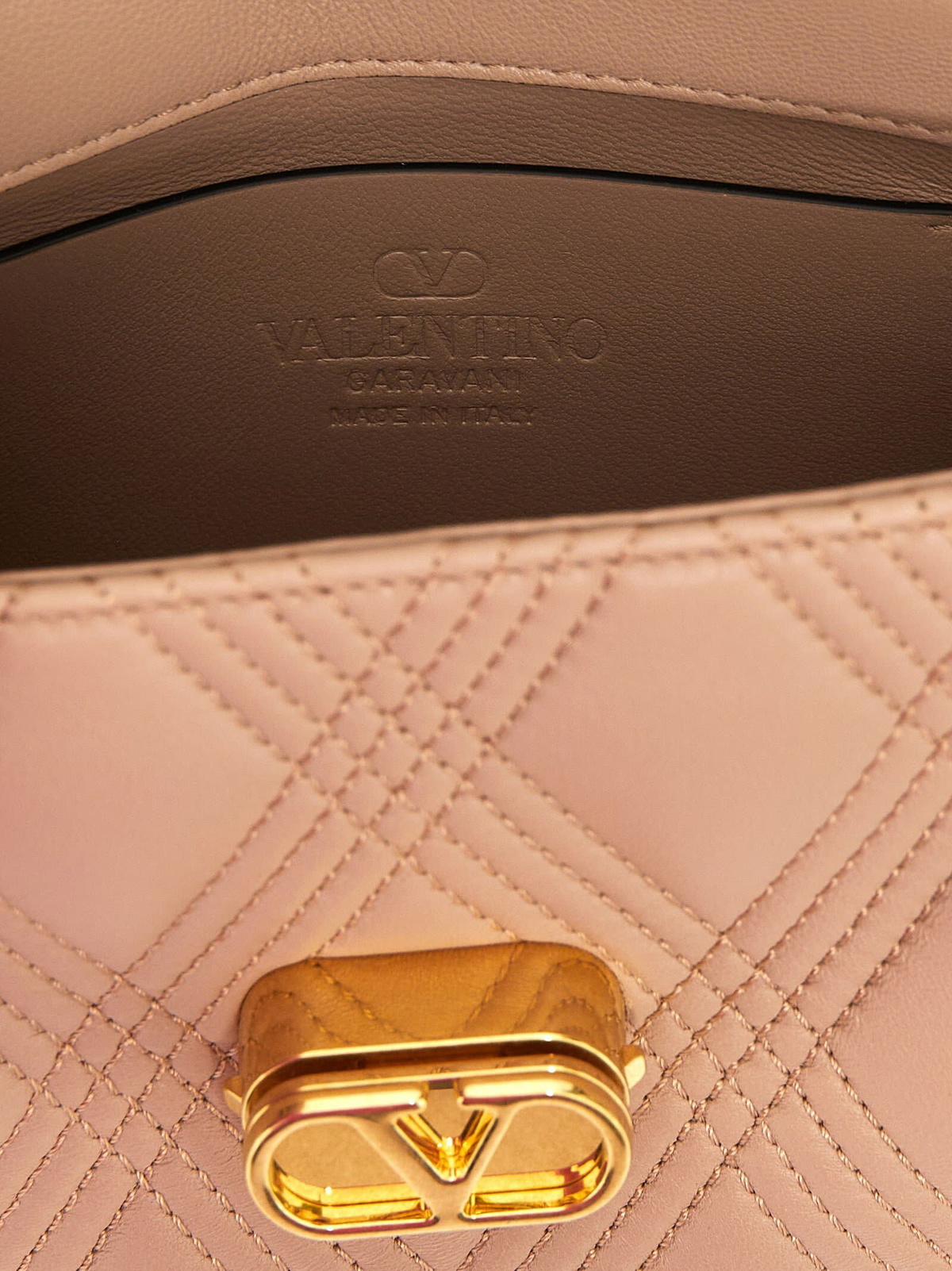
Treat this as general, material-appropriate practice for fine leather goods, not official brand care instructions, and the framing is deliberate. Nothing here comes from an official brand manual, so the sensible approach is to identify the material and treat it the way that material asks to be treated. This matters because valentino bags span an unusually wide spread of surfaces: nappa, grainy calfskin, laminated grainy calfskin, suede, kidskin, pony-effect calfskin, python, ostrich, raffia, linen, denim, jacquard lurex and metallic mesh have all been observed on current pieces. Whatever keeps grainy calfskin looking new will flatten suede, and what revives suede will stain a laminated finish. A specialist is cheaper than a mistake on anything valuable or unfamiliar. The maintenance is identical regardless of full price or an official seasonal valentino bag sale.
Material first, everything else second
Care begins with diagnosis, not with doing. Take it to daylight: grainy calfskin appears printed and lightly pebbled, nappa is soft, smooth and faintly lustrous, while suede or kidskin shows a nap whose colour moves when brushed. Laminated and metallic surfaces are a coating sitting on the leather, and it is the coating that fails first. Exotic skins carry their own scale or quill pattern and act nothing like calfskin. Check the interior tag too: it establishes whether the piece is Valentino Garavani or comes from the separate Mario Valentino company, which is a wholly different maker. Use the table below as a quick reference; the sections after it explain the reasoning.
| Material type | Regular care | What goes wrong |
|---|---|---|
| Nappa, grainy calfskin | A soft dry cloth, plus an occasional cream suited to the finish | Rubbing rather than blotting a stain |
| Suede, kidskin, pony-effect | Dry brushing with the nap, plus protector spray before first use | Water, oil and crushing |
| Laminated, metallic, mesh | Light dusting and nothing more; creams and solvents stay away | Rubbing that wears the coating through |
| Python, ostrich | Specialist care; keep them out of direct sun | Drying, lifting scales, sun fade |
| Raffia, linen, denim, jacquard | Treat spots, brush gently, store carefully | Snagging, colour transfer and moisture |
| Studs and plated hardware | A dry wipe and nothing else | Polishing through the plating altogether |
Nappa and grainy calfskin
Nappa and grainy calfskin are the workhorses of the collection and the most forgiving surfaces to own. Dust and skin oils dull leather long before any mark appears, so wipe with a soft dry cloth after each wear. A cream matched to the finish keeps nappa supple, applied sparingly so no film builds, and test it on the base or another hidden panel first. Rubbing drives pigment into the grain and abrades the surface, so blot spills instead. Permanent shrinkage and hardening are what heat does to leather, so leave a damp bag to dry at room temperature, clear of radiators, hairdryers and sunlight. When choosing a valentino shoulder bag for daily use, remember that grainy calfskin conceals small scuffs better than smooth nappa.
Suede, kidskin, pony-effect calfskin
Napped surfaces look extraordinary and ask the most discipline of you, the trade-off you accept with pieces such as a small suede Rockstud Spike observed at 2,550 dollars or a small suede Rockstud shoulder bag at 1,950 dollars in the 2026 market. Treat them as dry-only materials: brushing softly along the nap lifts dust and restores loft, and that alone covers most of the maintenance. Applied before the first outing and reapplied now and then, a protector spray suited to suede buys time against splashes but does not waterproof the bag. Keep suede away from water, oils, hand cream and self-tanning products, all of which mark it in ways home treatment rarely undoes. Pony-effect calfskin has directional hair that flattens under pressure, so avoid crushing it against a car seat or a crowded shelf. The moment a stain sets, stop experimenting, and get it to a leather specialist while the mark is fresh.
Coated finishes: laminated, metallic and mesh
Here the thing that fails is the coating, not the leather under it. Since a thin decorative layer is what laminated grainy calfskin, metallic finishes and metal mesh depend on, and abrasion removes it irreversibly, the strategy is avoidance. A dry cloth for dust, nothing containing solvent or alcohol, and no conditioning creams at all — since creams can cloud or lift the finish. Watch contact points, especially where a chain strap swings against the body and where the base meets hard surfaces. Lift metallic mesh rather than dragging it, and stored flat or loosely stuffed so it does not crease. No product you can buy does as much as gentle handling, which pieces such as the metallic mesh small shoulder bag observed at 3,900 dollars demonstrate.
Python, ostrich and the exotics
If there is one category where home care should be minimal by design, it is exotic skins. A python Panthea observed at 5,650 dollars or an ostrich version at 7,600 dollars in the 2026 market represents real money and a material with conservation needs of its own. Household leather products are wrong for scales and quill follicles, and the wrong conditioner can darken or stiffen a skin permanently. Keep exotics out of direct sunlight and away from dry heat, since both fade colour and lift scales at the edges. Wipe gently with a dry cloth in the direction the scales lie, never against them, and hand anything more than that to a specialist in exotic leathers. Leave more room around them in storage than a calfskin bag needs, because pressure marks show and stay.
Seasonal and textile materials
Seasonal and textile materials are the ones owners tend to underestimate. Raffia, being woven, snags on zips, jewellery and Velcro, so it needs a dust bag when idle and a wide shelf rather than a squeeze between other bags. Surface soiling gathers on linen and jacquard lurex at the handles and base, where hand contact concentrates, and a gentle dry brushing keeps it from becoming permanent. Colour transfer runs both ways with denim, so light-coloured trims and clothing are worth watching on the first few outings. The shared enemy is moisture, since textiles absorb instead of repelling and take their shape from the way they dry. None of these materials tolerates a wet cloth well, so blot it, let it air dry, and treat a specialist clean as the right answer for anything worse.
Studs, plating, hardware
Nowhere does enthusiastic cleaning cause more damage than on the hardware. Finishes observed run to antique brass, light gold, platinum-toned metal and jewel or crystal-set variants, and all are plated rather than solid. Metal polish and abrasive cloths strip the plating off entirely, uncovering base metal that no one can put back, so limit yourself to a dry wipe. Pyramid studs need attention around their bases, where dust collects and a loose stud first becomes noticeable; if one moves, it goes to a repairer and not to home adhesive. Crystal and pearl-set pieces must never be soaked, because the settings rely on adhesive that water can loosen. Strained zips send plenty of bags to the workshop, so treat zip pulls gently instead of yanking.
Storing a bag between wears
The way a bag spends its idle months decides how it looks in five years. Empty the bag after every use, since pens, cosmetics and loose coins cause the marks that show up later on resale listings. The supplied insert or acid-free tissue restores the shape, never newspaper or printed paper, which transfer ink onto linings. Return it to its dust bag, keep it upright with nothing pressing against it, and fold straps and chains inside so they cannot emboss the leather. Cool, dry, dark: that is the target, because sunlight fades dyes, damp invites mould, and airtight plastic keeps moisture pressed against the surface. A valentino tote bag with an unstructured base benefits from being stuffed a little more firmly than a rigid top-handle style.
Handling spills and rain, and knowing when to stop
The single most useful skill in bag care is knowing the point at which to do nothing further. Blot a spill at once with a clean dry cloth, working from the outside inward, then let the bag dry naturally and reassess in daylight next day. Left alone, rain on calfskin usually dries without leaving a trace; rain on suede, raffia or an exotic skin often calls for professional attention, and rubbing while wet guarantees a worse outcome. No matter what an online video claims, do not use household cleaners, baby wipes, alcohol gels or magic erasers on any part of a Valentino Garavani bag. A complete set helps with repairs later and with resale value, so hang on to the dust bag, the insert and any paperwork. Unglamorous, cheap and far more effective than any rescue attempt after the fact: that is what sensible routine care is.